
Seeds & Sovereignty: Crafted from Country

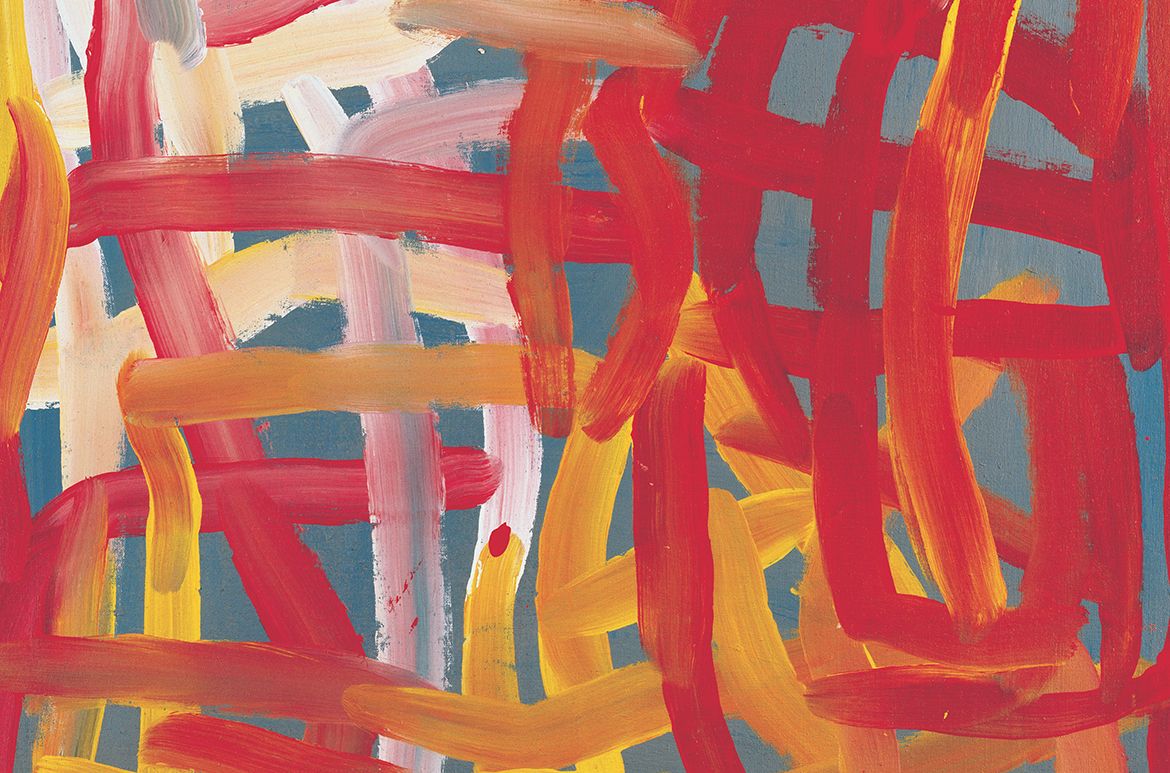
Emily Kame Kngwarreye, Anmatyerre people, Australia b.c.1910-1996 / Yam dreaming 1995 / Synthetic polymer paint on canvas / 122 x 91cm / Purchased 1998. QAG Foundation Grant / Collection: Queensland Art Gallery | Gallery of Modern Art / © Emily Kame Kngwarreye/Copyright Agency / View full image
Over countless generations, Aboriginal and Torres Strait Islander people developed an intricate understanding of their Country’s unique environments and ideal ecological balance. Intertwined with cultural knowledge and ceremonial practice, this insight is embedded into societal systems, wherein totemic relationships of responsibility to flora and fauna ensure ongoing land management and sustainability.

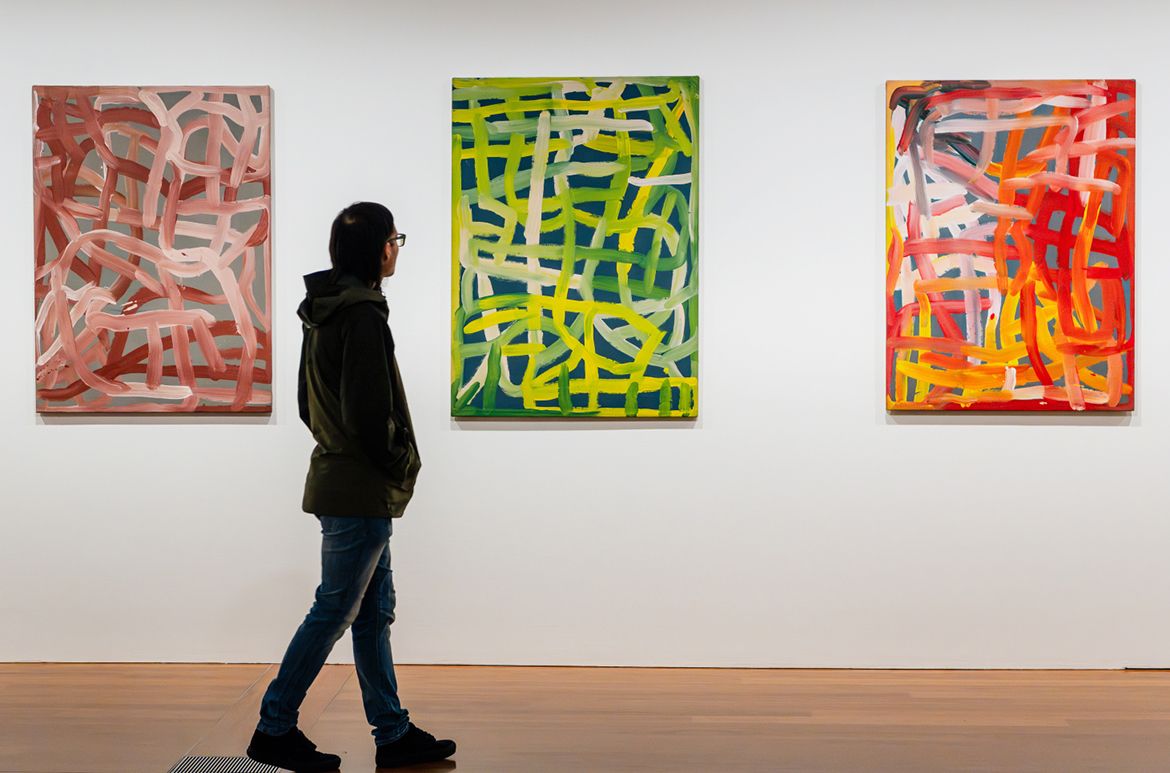
Installation view ‘Seeds and Sovereignty’, GOMA 2024 / View full image
Crafted from Country
Kin-centric or totemic relationships of responsibility to plants weave theology and ecology throughout all aspects of life, expressed in ritual and ceremony, as well as harvesting and food preparation. Artists from around the country demonstrate these connections through stunning works that highlight the functional and ritual uses of botanical resources.
Mitjili Napurrula Uwalki 2002

Mitjili Napurrula, Pintupi people, Australia b.c.1945 / Uwalki 2002 / Synthetic polymer paint on canvas / 212.5 x 183cm (stretched) / Gift of Christopher Simon through the QAG Foundation 2003 / Collection: Queensland Art Gallery | Gallery of Modern Art / © Mitjili Napurrula/Copyright Agency / View full image
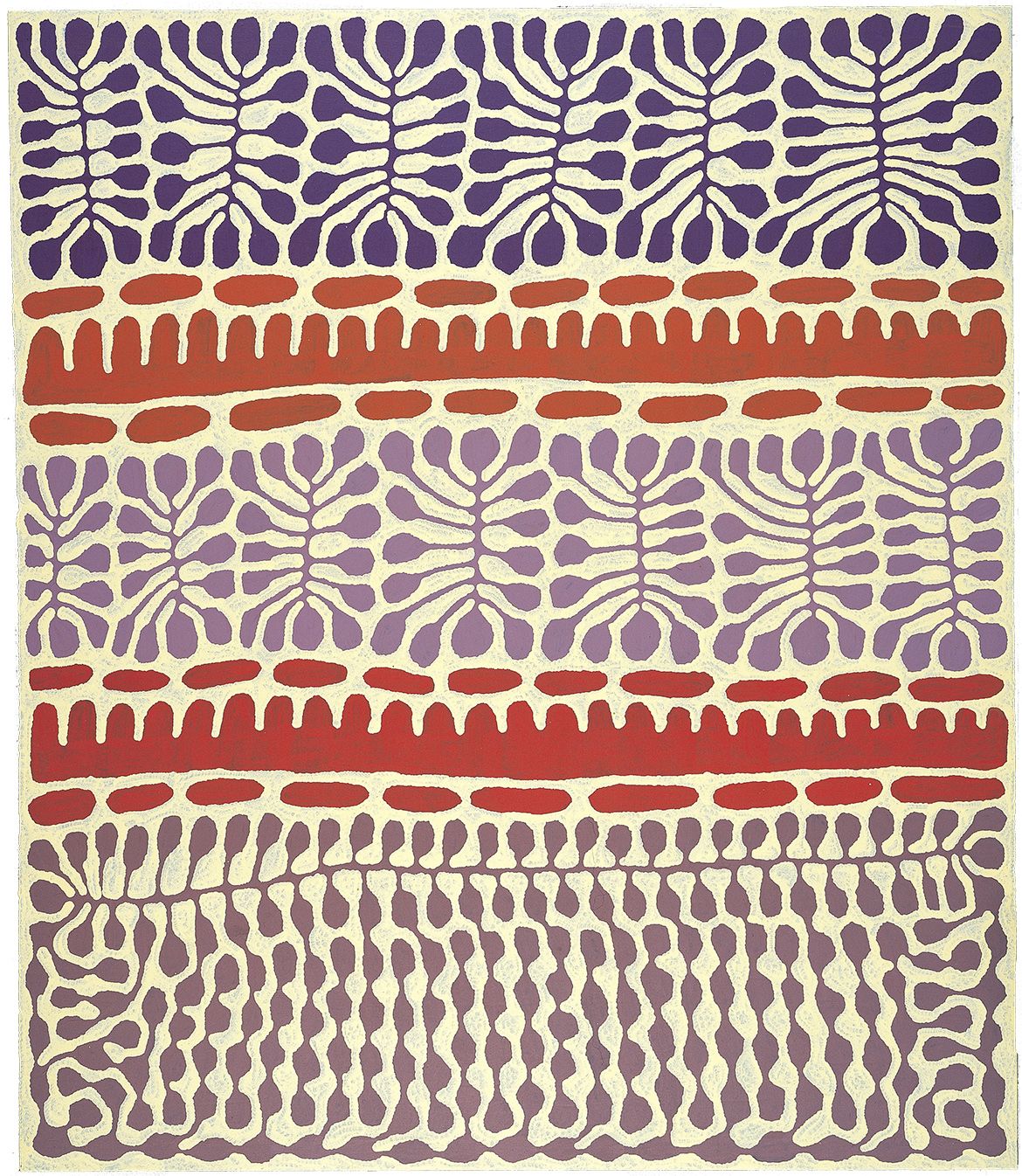
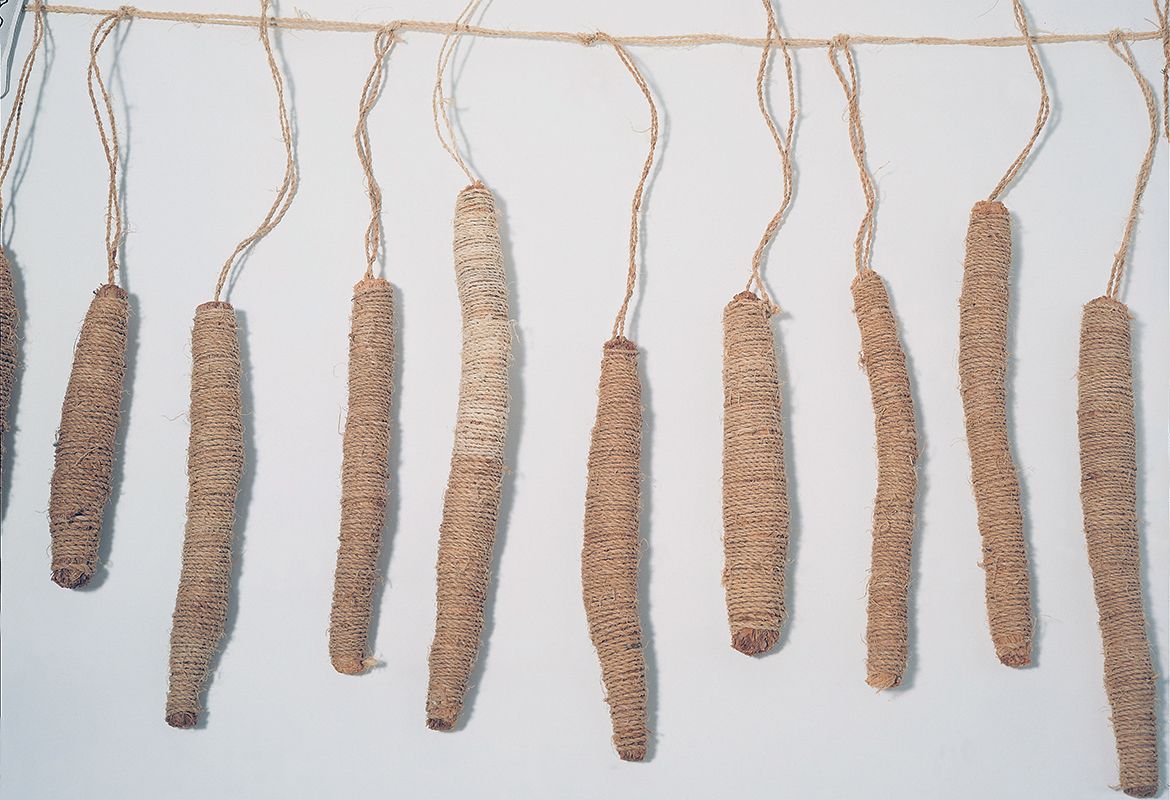
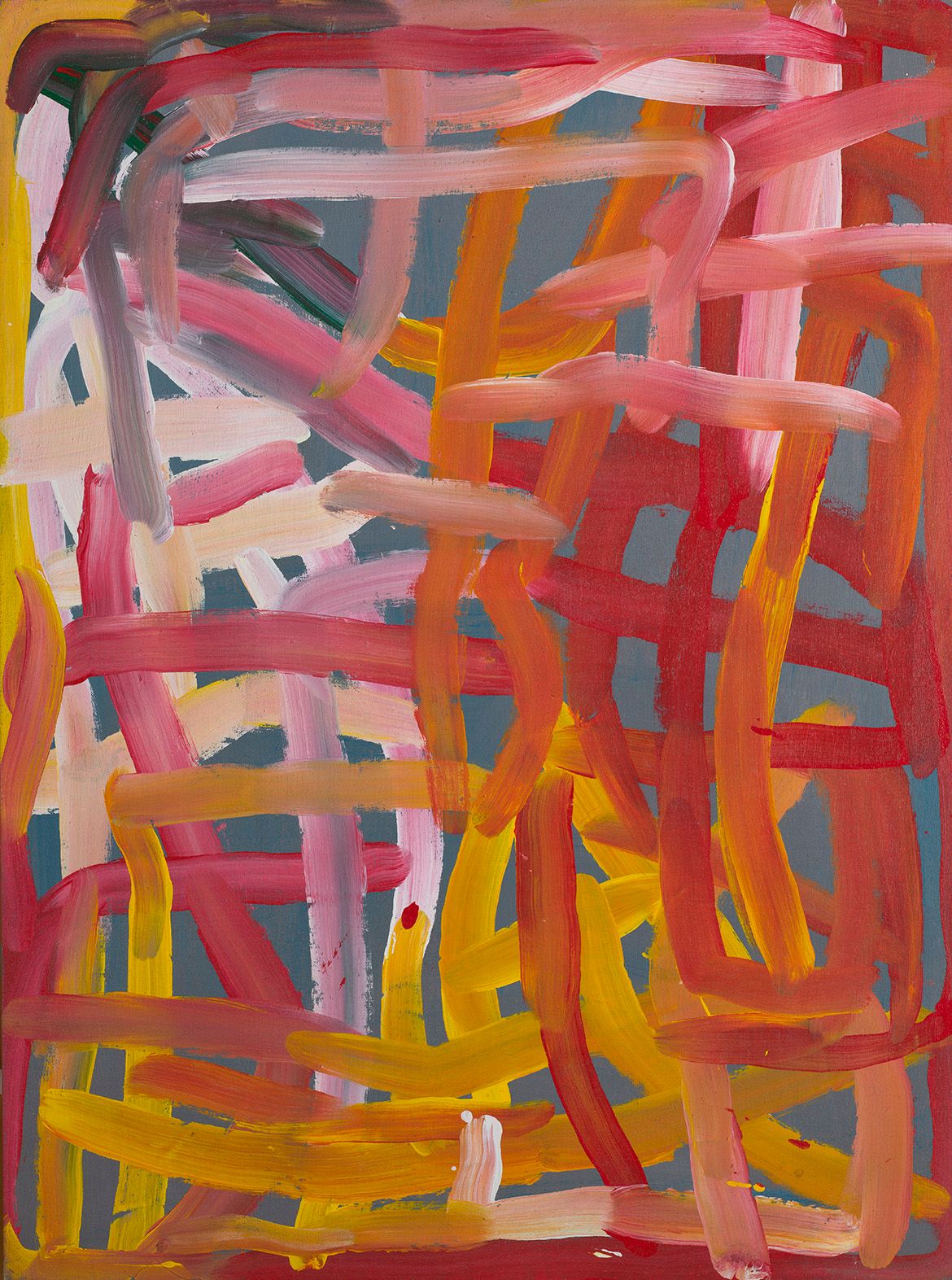
Mitjili Napurrula’s Uwalki 2002 (illustrated) imparts Dreaming stories of spear-making trees alongside Elizabeth Djuttara’s Wanydjalpi (Yam sculpture) 2004 (illustrated) and Emily Kame Kngwarreye’s Yam Dreaming paintings of 1995 (illustrated), which honour an integral food source across many regions of the country.
Elizabeth Djuttara Wanydjalpi (Yam sculpture) 2004

Elizabeth Djuttara, Ganalbingu people, Australia 1942-2010 / Wanydjalpi (Yam sculpture) 2004 / Bark fibre string, paperbark / 101 x 489 x 36.7cm (installed); string length: 1282.8cm with 72 yams ranging from 28.5 to 48.3cm (h) x 2 to 3cm (diam.) / Purchased 2005. QAG Foundation Grant / Collection: Queensland Art Gallery | Gallery of Modern Art / © Elizabeth Djuttara/Copyright Agency / View full image
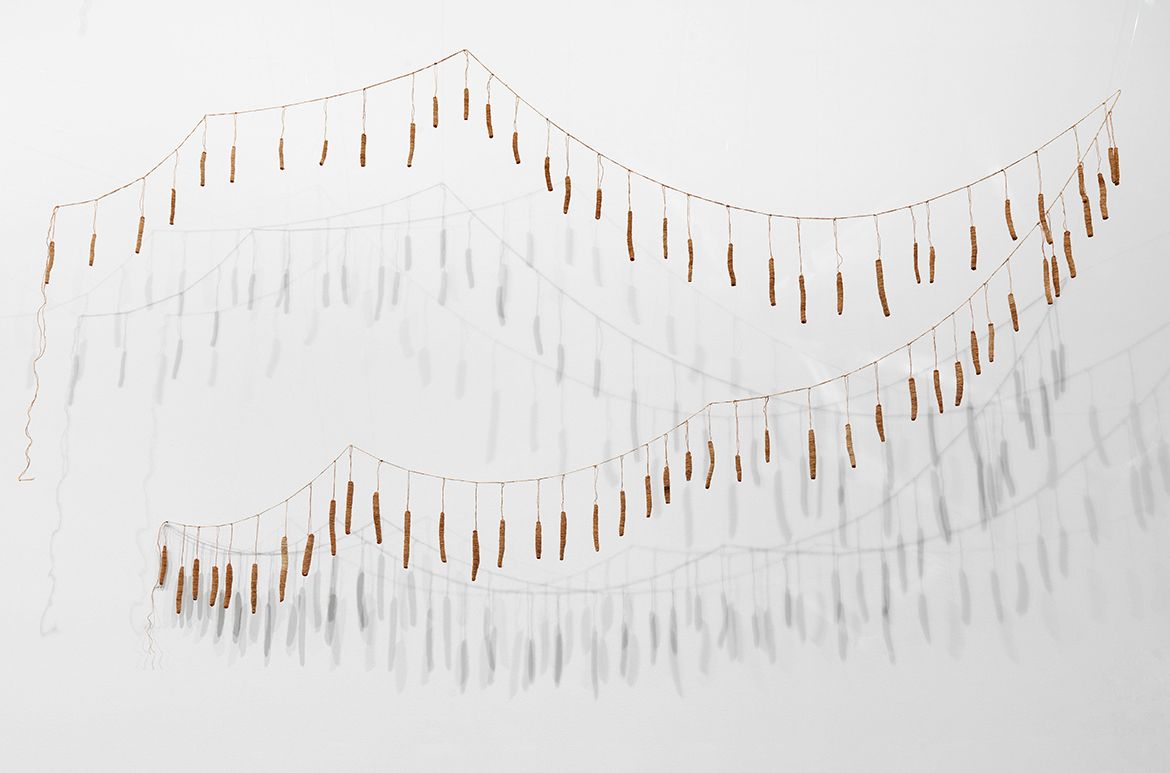

Elizabeth Djuttara, Ganalbingu people, Australia 1942-2010 / Wanydjalpi (Yam sculpture) 2004 / Bark fibre string, paperbark / 101 x 489 x 36.7cm (installed); string length: 1282.8cm with 72 yams ranging from 28.5 to 48.3cm (h) x 2 to 3cm (diam.) / Purchased 2005. QAG Foundation Grant / Collection: Queensland Art Gallery | Gallery of Modern Art / © Elizabeth Djuttara/Copyright Agency / View full image
Emily Kame Kngwarreye Yam dreaming 1995

Emily Kame Kngwarreye, Anmatyerre people, Australia b.c.1910-1996 / Yam dreaming 1995 / Synthetic polymer paint on canvas / 122 x 91cm / Purchased 1998. QAG Foundation Grant / Collection: Queensland Art Gallery | Gallery of Modern Art / © Emily Kame Kngwarreye/Copyright Agency / View full image
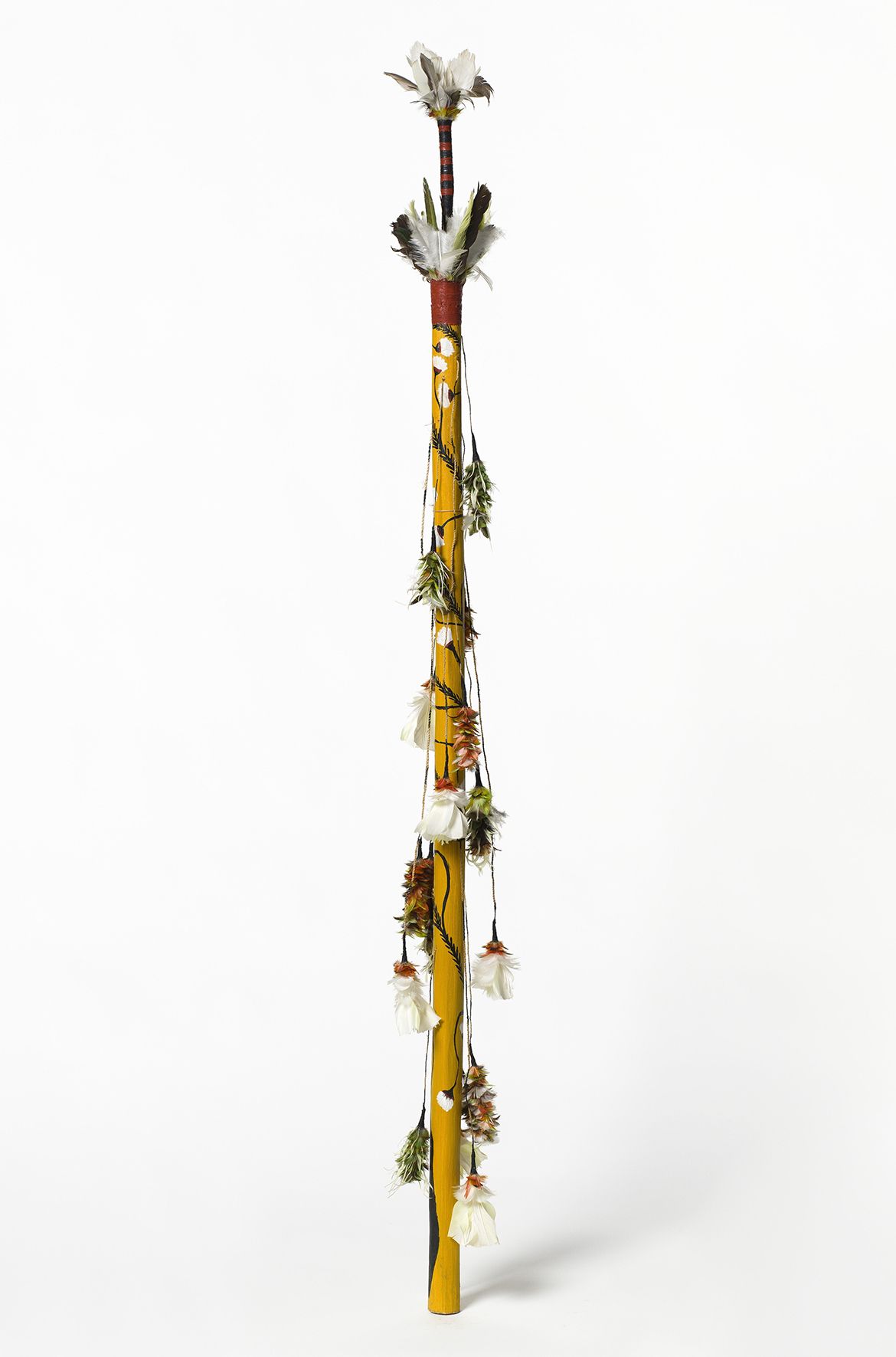
An array of Banumbirr (Morning Star poles) (Malu Gurruwiwi’s Banumbirr (Morning Star pole) 1998 illustrated) join these works in their celebration of this plant. Central to rituals of cosmological and ecological importance celebrated annually in eastern Arnhem Land these highly decorated feathered poles are emblematic of the yam, the stringed adornments signifying the mother vine with its leaves and tendrils.[1]
Malu Gurruwiwi Banumbirr (Morning Star pole) 1998

Malu Gurruwiwi, Galpu people, Australia NT 1942–2020 / Banumbirr (Morning Star pole) 1998 / Wood, bark fibre string, cotton thread, feathers, natural pigments, synthetic polymer paint / 143 x 17cm (diam.) / Purchased 2010 with funds from the Josephine Ulrick and Win Schubert Diversity Foundation through the QAG Foundation Appeal / Collection: Queensland Art Gallery | Gallery of Modern Art / © Malu Gurruwiwi/Copyright Agency, 2024 / View full image
Sophia Nampitjimpa Sambono (Jingili) is Associate Curator, Indigenous Australian Art, QAGOMA
This text is adapted from an essay first published in QAGOMA’s Members’ magazine, Artlines
Seeds and Sovereignty
2 March – 18 August 2024
Gallery 3.5, Gallery of Modern Art (GOMA)
Brisbane, Australia
Endnotes
- ^ Diane Moon, ‘Banumbirr: The brightest star’, in Floating Life: Contemporary Aboriginal Fibre Art [exhibition catalogue], QAGOMA, Brisbane, Qld, 2009, p.65.