
Henri de Toulouse-Lautrec — An astute observer of life

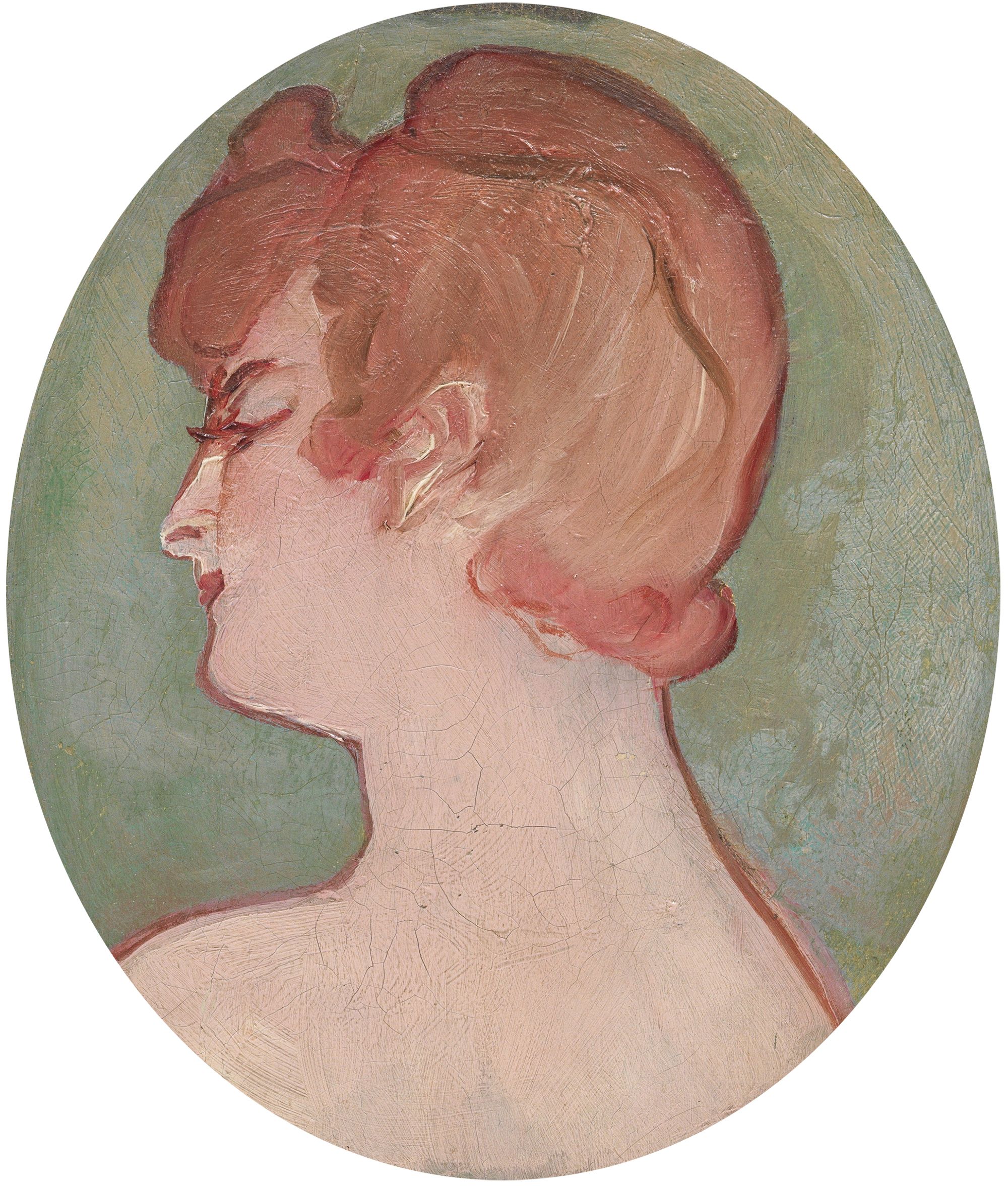
Henri de Toulouse-Lautrec, France 1864-1901 / Tete de fille (Head of a girl) (detail) 1892 / Oil on canvas / 27.3 x 23cm (oval) / Purchased 1959 with funds donated by Major Harold de Vahl Rubin / Collection: Queensland Art Gallery | Gallery of Modern Art / View full image
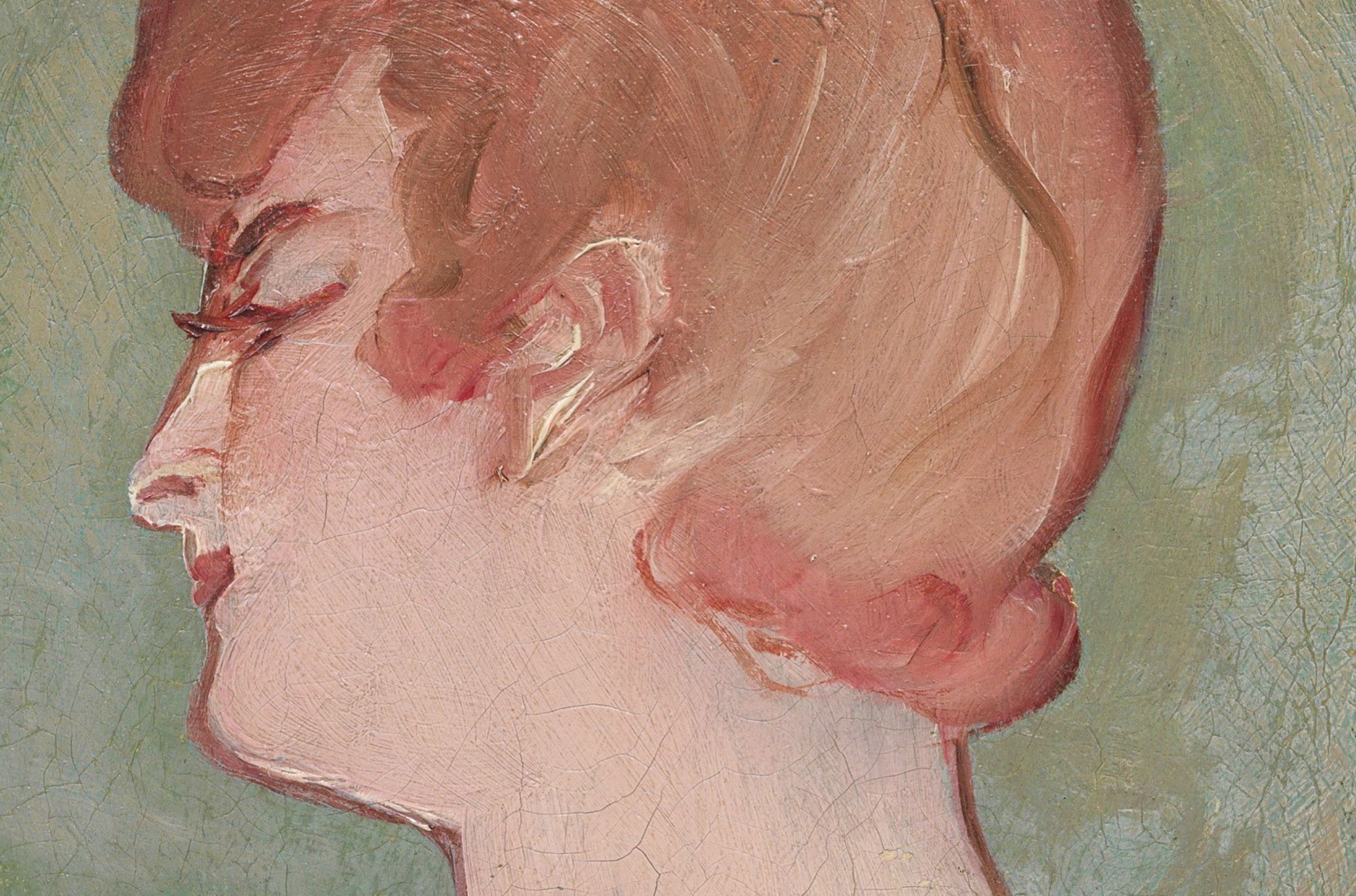
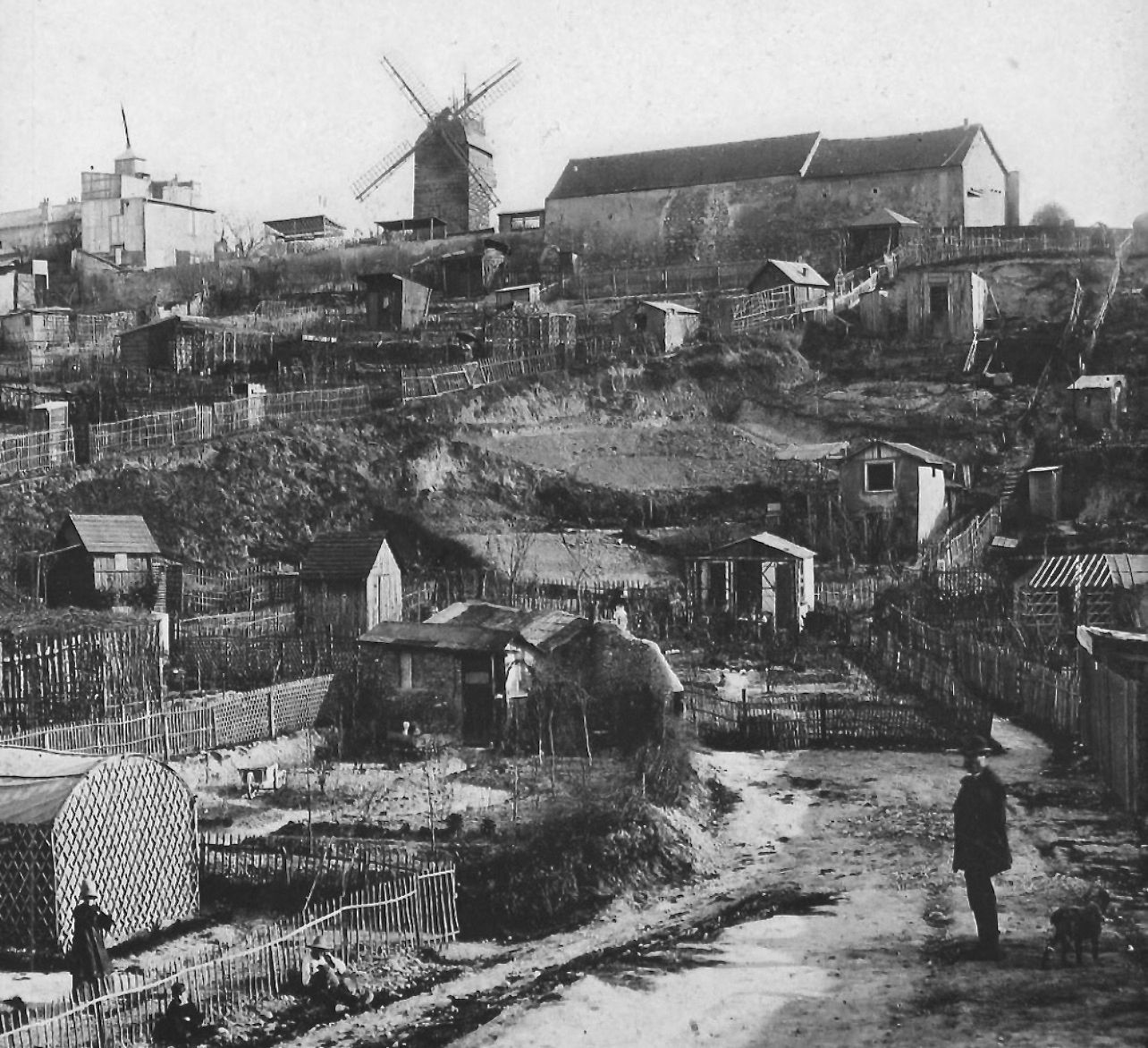
Henri de Toulouse-Lautrec (24 November 1864-1901) moved to Montmartre, Paris in 1882 and was instantly drawn to the city’s demi-monde — famous for its cabarets where people would go to enjoy music, dance, and shows; the cafes and circuses; the racetrack; a place for escape, pleasure, entertainment, and sexual freedom. Montmartre became a part of Paris in 1860, it was an area populated by artists who mostly couldn't afford the rents of Quartier Latin, but also attracted writers, poets, and performers. Toulouse-Lautrec found his subjects in the fleeting crowds and urban spectacle with the opening of the Moulin Rouge in 1889.
Moulin Rouge, Montmartre

Montmartre, Paris, c.1890 / View full image

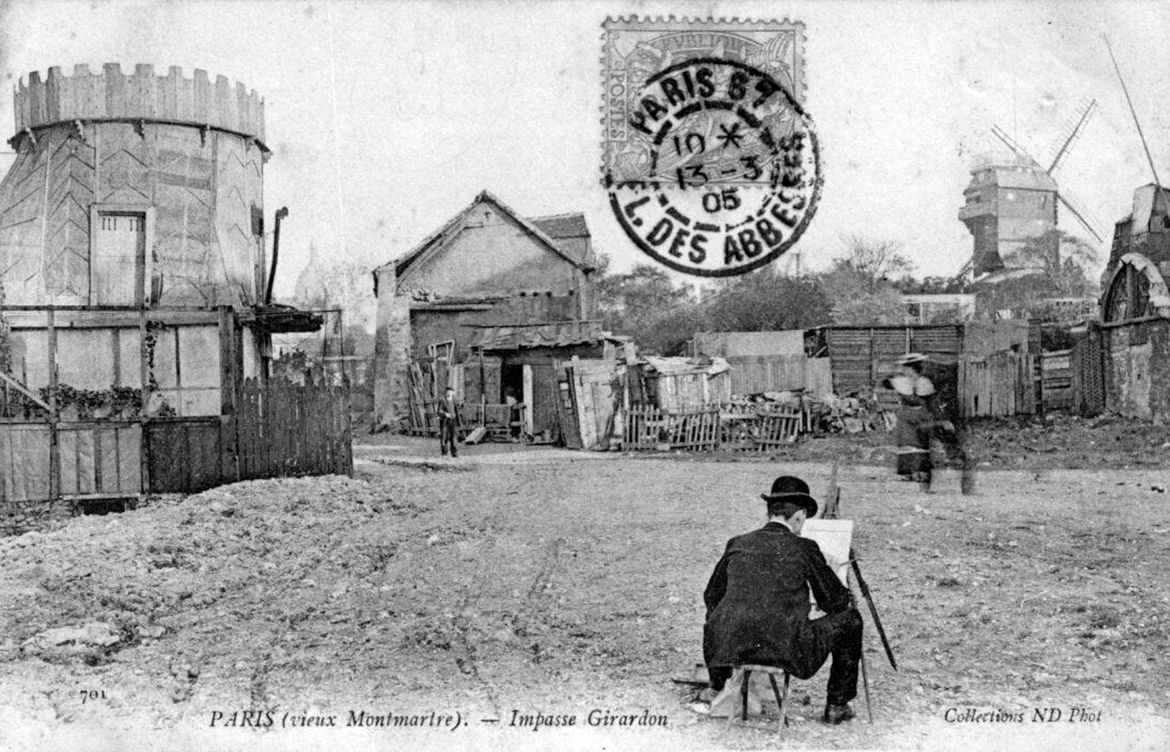
Montmartre, Impasse Girardon, Paris featuring a painter working en plein air. The postcard is postmarked "PARIS 8e - C. DES ABBES" on March 13, 1905. / View full image
Already passionately fond of drawing, Toulouse-Lautrec was an astute observer of life and a talented drafter. His career coincided with the emergence of modern printmaking and poster production, as well as the emergence of Parisian nightlife and entertainment when the young provincial aristocrat launched himself into the bohemian world of Montmartre.
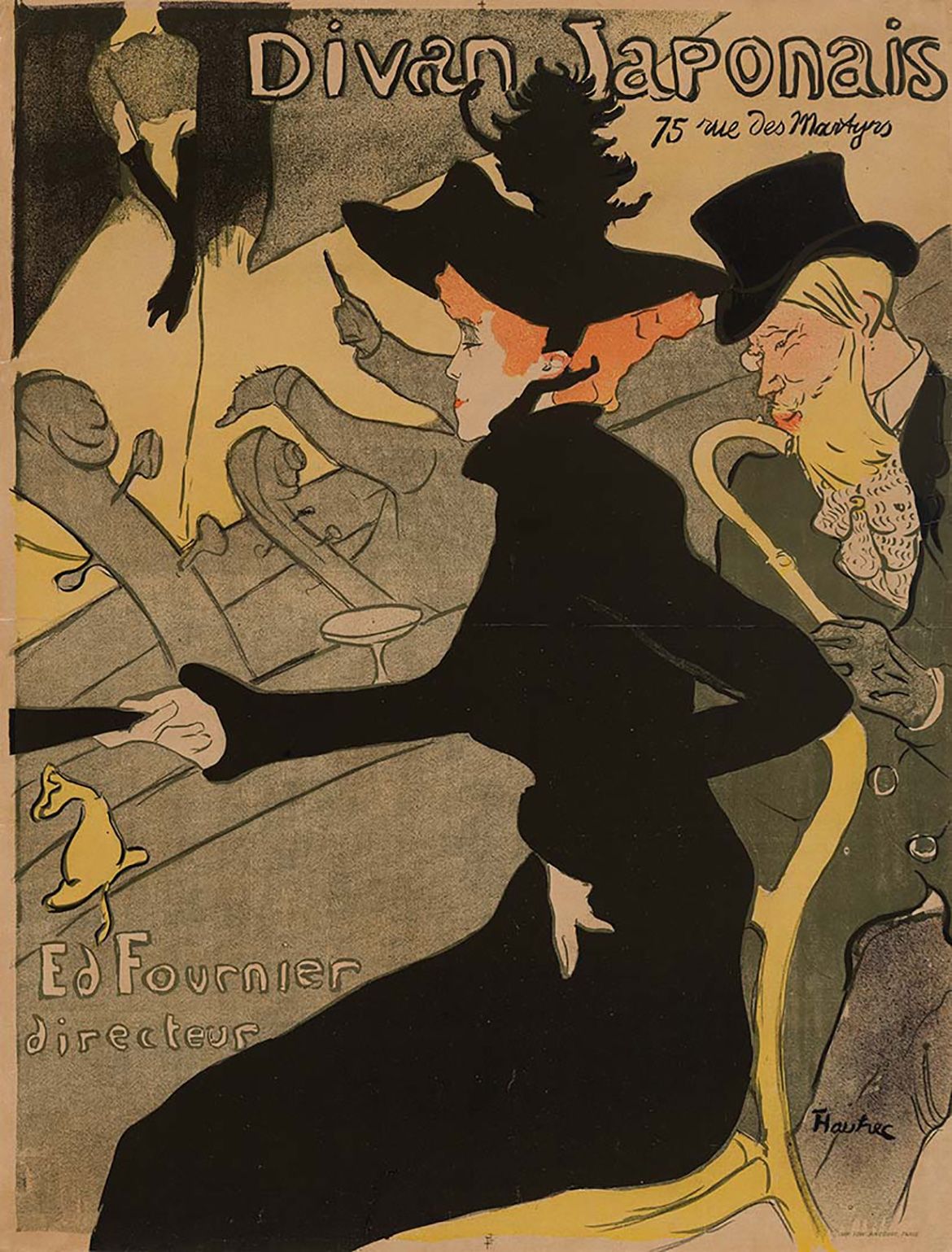
In a brief and brilliant career of just over a decade, he produced some of the best-known images of Paris and its nightlife in the form of lithographic posters and prints, inspired by the formal elements of traditional Japanese print-making: flat colour surfaces; asymmetrical, cropped compositions; and pronounced outlines.
Divan Japonais 1892–93

Henri de Toulouse-Lautrec, France 1864–1901 / Divan Japonais 1892–93 / Lithograph on poster paper / 79.6 x 60.2cm / Purchased 1991. QAG Foundation / Collection: Queensland Art Gallery | Gallery of Modern Art / View full image
Tete de fille (Head of a girl) 1892

Henri de Toulouse-Lautrec, France 1864-1901 / Tete de fille (Head of a girl) 1892 / Oil on canvas / 27.3 x 23cm (oval) / Purchased 1959 with funds donated by Major Harold de Vahl Rubin / Collection: Queensland Art Gallery | Gallery of Modern Art / View full image
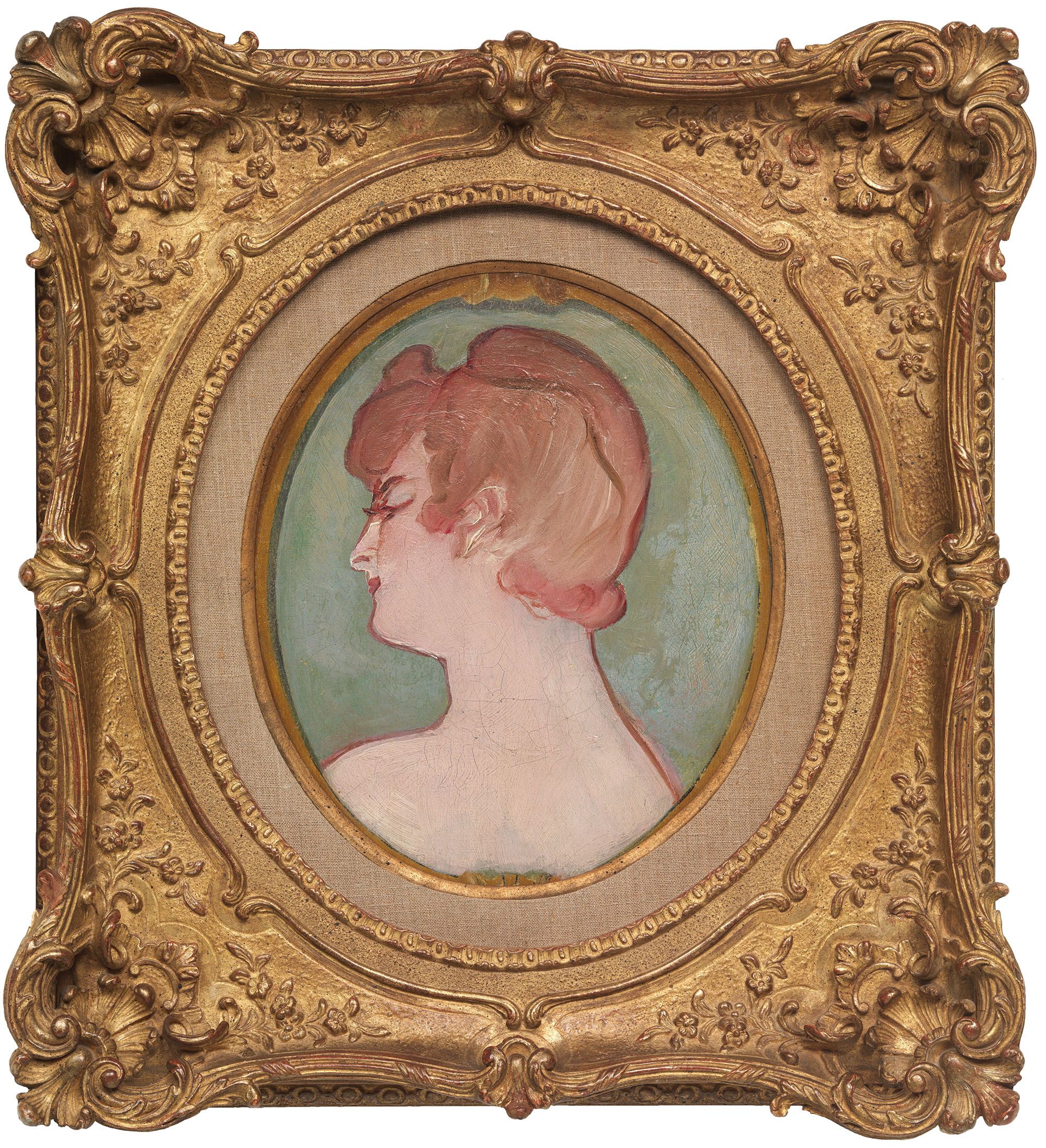
Working en plein air in the manner of the Impressionists, the artist was drawn to the people on the fringes of so-called respectable society. Toulouse-Lautrec rejected the conventional cliché of fallen women, he frequented the brothels and clubs, befriended the women who worked there, and produced a sensitive and profoundly human series of portraits of their world in a set of lithographs known as ‘Elles’. This oval portrait Tete de fille (Head of a girl) 1892 is one of fifteen the artist made of women who worked at a brothel on the Rue Amboise.
Prostitution was a way of life in the ninetheenth century and like Toulouse-Lautrec, the theme was utilised by a number of artists including Edgar Degas (19 July 1834–1917). Toulouse-Lautrec regularly took up residence in brothels, he commented: ‘Brothel. Well, what of it? Nowhere else do I feel more at home…’.

Henri de Toulouse-Lautrec, France 1864–1901 / Tete de fille (Head of a girl) 1892 / Oil on canvas / 27.3 x 23cm (oval) / Purchased 1959 with funds donated by Major Harold de Vahl Rubin / Collection: Queensland Art Gallery | Gallery of Modern Art / View full image
Queensland Art Gallery | Gallery of Modern Art (QAGOMA)
Brisbane, Australia